Bowling Split Monogram: A Designer's Fair Review
I have spent years curating designs for weekend craft fairs and seasonal markets, learning that the difference between a product that sits on a table and one that sells out often comes down to a single element: the embroidery design. Today, I am reviewing the Bowling Split Monogram with the specific goal of determining if it belongs in my booth inventory. As an experienced designer, I look beyond the pretty picture; I analyze stitch density, visual impact from three feet away, and production efficiency. This review is written for fellow Etsy sellers, boutique makers, and creative entrepreneurs who need to know exactly what they are buying before they start stitching.
First Impressions and Visual Appeal
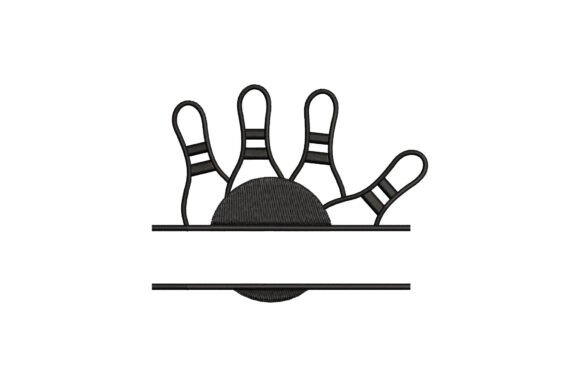
The title Bowling Split Monogram immediately suggests a blend of playful nostalgia and personalized elegance. The word "Split" implies a modern, perhaps slightly asymmetrical layout that breaks away from traditional block lettering. When I first looked at the description, which promises a "subtle touch of charm," I imagined a design that works well as a focal point without overwhelming the garment. In a crowded market setting, subtle often wins because it invites closer inspection rather than shouting for attention.
This design feels versatile enough to fit into various aesthetic niches. It could easily bridge the gap between a rustic farmhouse vibe and a sleek, modern look depending on the thread colors chosen. For a craft fair display, this versatility is gold. It allows me to create a cohesive collection where different products—like aprons and tote bags—share a unified branding element while still feeling unique to each item.
Product Applications and Market Potential
When planning my booth display, I visualize how the Bowling Split Monogram translates across different mediums. The product description explicitly mentions T-shirts and towels, but the potential extends much further for a handmade business owner.
- Tote Bags: This is arguably the highest-selling category for monogrammed items. A split monogram on a canvas tote bag looks professional and chic. It serves as a perfect tote bag design that customers can personalize for themselves or gift to friends. The design's structure likely holds up well against the thick fabric of a tote without puckering.
- Apron Embroidery: Kitchen tools are hot commodities at craft fairs. Applying this design to a linen apron creates an instant apron embroidery piece that appeals to home cooks and bakers. The split style adds a contemporary flair that distinguishes it from generic store-bought options.
- Tea Towel Embroidery: For the kitchen enthusiast, a tea towel embroidery featuring this monogram is a high-margin item. The design's charm shines on white or cream cotton, making it a standout handmade product for holiday gifts or housewarming presents.
- Embroidered Patches: If the file format supports it, converting this into an embroidered patch opens up a new revenue stream. Patches are excellent for upselling on hats, backpacks, or denim jackets, allowing customers to buy small, affordable accessories.
- Fabric Pouches and Pillow Covers: Small pouches make great impulse buys at a checkout counter, while pillow covers offer a higher price point. The design's clarity needs to be checked here, as smaller areas require sharper details.
Production Practicality and Batch Efficiency
As a seller, time is money. I need to know if the Bowling Split Monogram is efficient to produce. Is it a quick stitch-out that allows me to churn out 50 aprons in an afternoon, or does it require hours of tedious finishing? Designs with moderate stitch counts are ideal for batch production, ensuring that my profit margins remain healthy.
The design must also photograph well. In the digital age, your printable mockup or listing photo is often the first interaction a customer has with your brand. A design that looks crisp in a close-up shot will drive traffic to your Etsy seller shop. The split nature of the monogram should create interesting negative space that photographs beautifully, drawing the eye to the center of the image.
Critical Considerations for Success
Before I commit to mass-producing items with this machine embroidery design, there are several technical factors I must evaluate to ensure the finished product meets quality standards.
Stitch Density and Detail: One of the biggest risks with any monogram is losing detail in tight spaces. I need to inspect the stitch density carefully. If the letters are too thin or the gaps between them are too narrow, the design may lose definition, especially on textured fabrics like terrycloth towels or heavy denim. A dense area might cause the fabric to pucker if not stabilized correctly.
Fabric Texture and Color: The choice of thread colors is critical. On a dark fabric, light threads might get lost, while on a light fabric, dark threads provide contrast. However, on a textured towel or a ribbed knit cap, the texture of the fabric itself can interfere with the smoothness of the stitches. I would advise testing on scrap fabric first to see how the Bowling Split Monogram interacts with the weave.
Hoop Size and Curved Surfaces: If I plan to embroider this on caps, the curved surface presents a challenge. The design must be sized appropriately for the available hoop size. A design that is too large for a standard cap hoop will result in distortion. Similarly, for small pouches or patches, the design must be scaled down without sacrificing legibility. Tiny details often disappear when reduced in size, so checking the minimum viable size is essential.
Designer's Checklist for Production
To guarantee that my small shop product line remains consistent and professional, I follow a strict protocol before launching any new item. Here is my advice for anyone using this digital embroidery file:
- Test on Scrap Fabric: Never run a full production batch without a test run. Stitch the design on the same fabric type you intend to sell to check for tension issues or puckering.
- Check Thread Contrast: Ensure the thread colors selected pop against the fabric background. Good contrast equals better sales.
- Review Spacing: Verify that the spacing between the split letters is wide enough to prevent thread breaks and maintain readability.
- Confirm Hoop Size: Make sure your machine's hoop can accommodate the design dimensions for your intended product.
- Inspect Stitch Density: Look for areas that are overly dense, which can cause needle deflection or fabric damage.
- Use the Right Stabilizer: Match the stabilizer to the fabric weight. Heavy fabrics need heavy stabilizers to support the design.
- Create Real Mockups: Don't rely solely on digital renders. Create at least one real physical sample to use as a display prop at your craft fair booth.
- Compare Fabric Colors: Test the design on multiple color variations of your base fabric to find the most attractive combination.
- Confirm Commercial Licensing: Before selling finished goods, double-check the license terms associated with the design to ensure you have the right to resell the commercial embroidery products.
The Bowling Split Monogram has the potential to be a star in any craft fair product lineup. Its blend of charm and creativity fits perfectly within the Hobbies and Embroidery categories, appealing to those who value personalized, handcrafted goods. By paying attention to the technical details and understanding how the design performs on various materials, you can turn this simple file into a profitable asset for your handmade business.